Content Strategy
Aug 4, 2026
The Anatomy of a Hook: Why the First Two Seconds Matter

Creative Director
6 min read
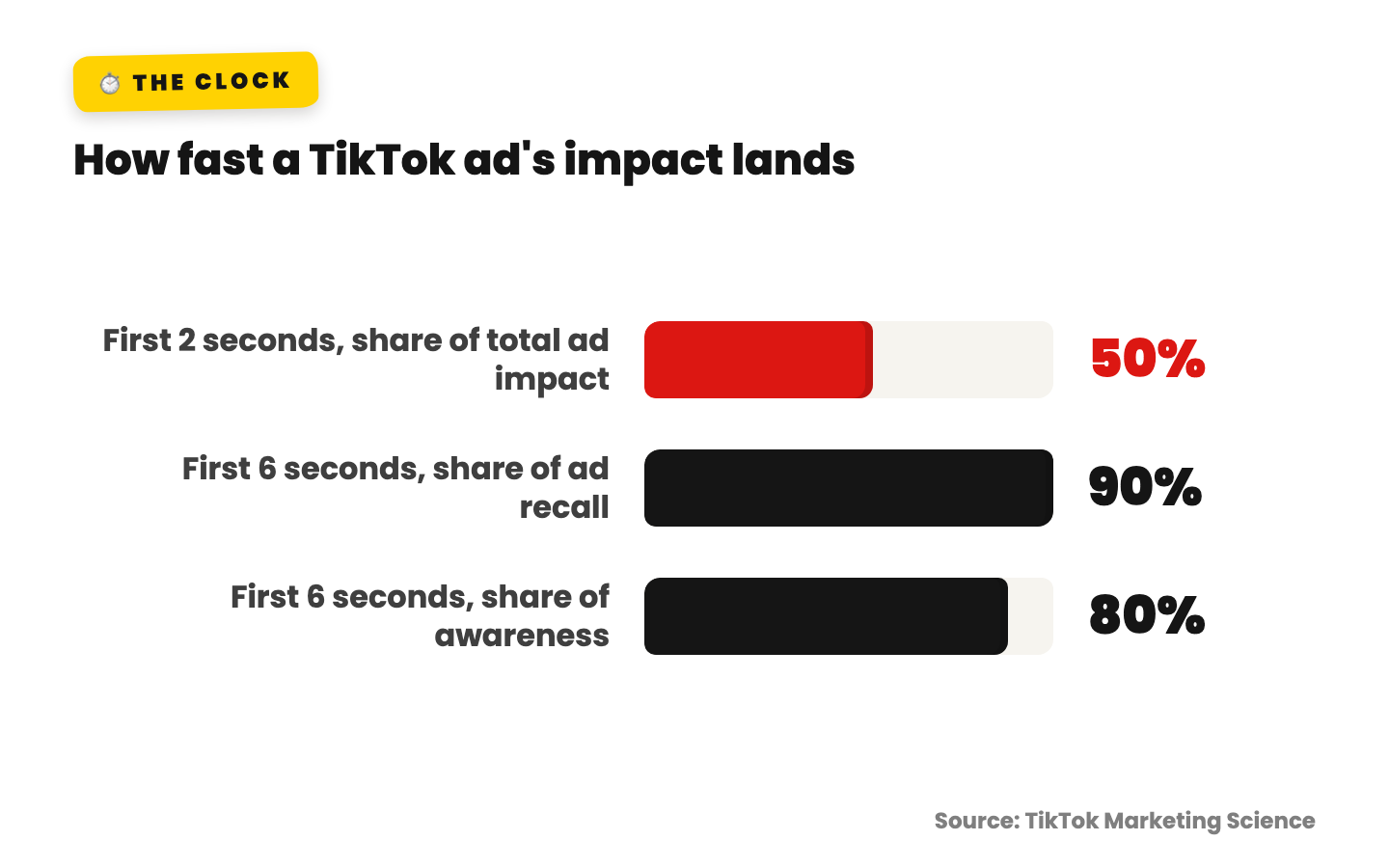
Every video we ship goes through the same quiet execution. Somewhere out there, a thumb hovers over a screen for less than two seconds and decides whether three weeks of our work exists or not.
Nobody briefs the thumb. Nobody presents to the thumb. But the thumb is the client, the jury, and the algorithm's only informant.
I am the creative director at Abdoh4Magic, which means I spend my days turning briefs into concepts and concepts into scripts. And I can tell you where the real money is buried in every script we write: the first two seconds.
Short form video hooks are not an intro. They are the entire argument, compressed. Everything after them is the reward for a decision the viewer already made.
A hook is a decision you make for the viewer
The common mistake is treating the hook as the first two seconds of the video. It is not. It is the first two seconds of the viewer's decision.
The video starts when we press record. The decision starts when the frame hits the feed, in a context we do not control, sandwiched between a cooking clip and someone's cousin's wedding.
So we do not write hooks to introduce the idea. We write hooks to make not watching feel like a loss. That is a different craft, and after building work for 100+ brands, we have reduced its rules to an anatomy with three parts.
The anatomy: pattern break, promise, tension
Every hook that works contains these three organs, sometimes in sequence, and in the best hooks stacked inside a single frame.
1. The pattern break
The feed is a rhythm. Scrolling is almost musical: swipe, glance, swipe, glance. A hook's first job is to break that rhythm the way a wrong note breaks a melody.
Something is off. A face where a product should be. Silence where music should be. A sentence that starts in the middle. The break does not need to be loud. It needs to be wrong, in a way the brain has to resolve.
Volume is a lazy substitute for craft. Shouting is not a pattern break anymore. Shouting is the pattern.
2. The promise
The break buys you attention. The promise is how you spend it. Within the same breath, the hook must imply a contract: stay, and you will get something specific.
A payoff, a reveal, a laugh with a shape you can already sense. In comedy this is the setup's silhouette. You do not show the punchline, but the viewer should be able to smell that one exists.
A break without a promise is a jump scare. People flinch, then leave.
3. The tension
Tension is the unanswered question that makes leaving feel expensive. The open loop. Who is he talking to? Why is he dressed like that? What happens when the door opens?
The viewer pre-pays with curiosity, and now the video owes them a debt they will stay to collect.
Structurally, tension is the only organ of the three that keeps working after second two. The break and the promise get you in. Tension keeps the meter running.
Nobody has ever scrolled back up to give a video a second chance.
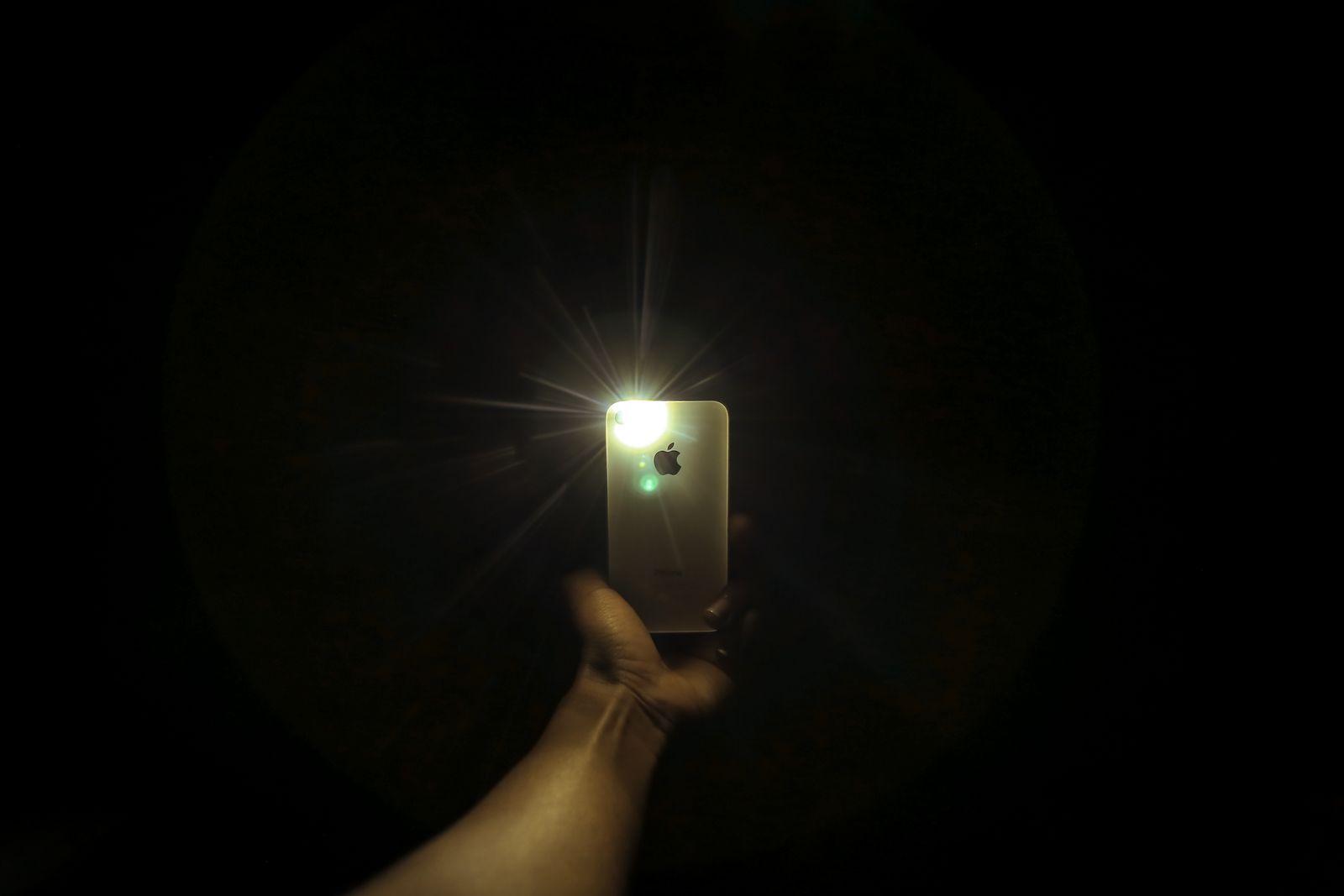
The hook gets rewritten more than the rest of the script
Here is something most people outside the room never see: the hook gets rewritten more than everything else in the script combined.
The body of a script survives contact with production. Lines get improvised, beats get tightened, a joke migrates from minute one to minute two. Fine.
But the hook has to survive contact with the feed, and the feed is a far more hostile environment than any shoot day.
We put it through rejection rounds on purpose, writing the hook last, after the concept is locked, and then attacking it.
The test is brutal and simple: if a hook needs to be explained in the room, it is already dead in the feed. Nobody in the comments section is available for a briefing.
Our ratio is not scientific, but it is honest: for every hook that ships, several die on the whiteboard.
If you want to see what survives that process, the case studies on our work page are the ones that made it out alive.
Branded hooks: the logo is not a pattern break
This is where branded content strategy usually falls off a cliff, and I wrote the longer autopsy in why most branded content is forgettable. Short version: most branded videos open with the brand.
Logo, product, tagline, then content. Which is the exact inverse of the anatomy. The feed is full of logos. A logo is not a break in the pattern. A logo is the pattern.
Our audience skews heavily Gen Z, around 64.3% of it, and this is a generation that has seen every ad format since childhood. Content marketing in KSA is not a soft market. This is one of the most format-literate audiences in the world.
In our campaigns, the brand enters after the hook has done its job, woven into the payoff instead of blocking the doorway. It gets a better seat by arriving a moment later.
That negotiation starts at the brief stage, which is why we published a guide to briefing a comedy creator.
The two second test
Before any script leaves my desk, the hook has to pass five checks. Steal this framework.
- The mute test. Does the first frame work with the sound off? Most viewing starts silent.
- The frame one test. Screenshot second zero. Would that image alone stop a thumb?
- The stranger test. Does it work for someone who has never heard of the creator or the brand?
- The debt test. After two seconds, does the viewer hold an unanswered question, or just a mood?
- The exit test. If someone leaves at second three, what did they miss? If the answer is "the good part," the good part is in the wrong place.
Five yeses, and the script moves to production. Four, and we go back to the whiteboard. This is not perfectionism. It is respect for the thumb.
Pointing the cannon
People assume my job is to make Abdullah funny. It is not. Abdullah has been funny since 2010 and generates 45.3M+ monthly impressions doing it; he does not need my help being loud.
My job is to point the cannon. Abdullah is the ordnance, the concept is the powder, and the hook is the angle of the barrel.
Aim it right and the whole feed hears it. Aim it two degrees off and all that firepower lands in an empty field.
The first two seconds are the aim. That is where creative direction earns its keep, and where advertising creativity in MENA will separate the studios from the noise.
I unpacked what a hundred campaigns taught us about that in this breakdown, and you can meet the team doing the aiming on our about page.
If you have a brief and a suspicion that your first two seconds could work harder, look at how we work and then send it over. Bring the brand guidelines. We will bring the anatomy.




Let's Create Something Legendary Together!

.svg)
Saudi comedy creator turning ads into entertainment. 10.2M+ followers and 45.3M+ monthly reach across the Arab world.
mail@Abdoh4Magic.com · Riyadh, Saudi Arabia
Saudi Media License (Mawthooq) No. 726861
© 2026 Abdullah Jamil · The Creative Content Creation Company LLC · Riyadh, Saudi Arabia