
Behind the Scenes
Jul 13, 2026
What 100+ Brand Campaigns Taught Me About Going Viral
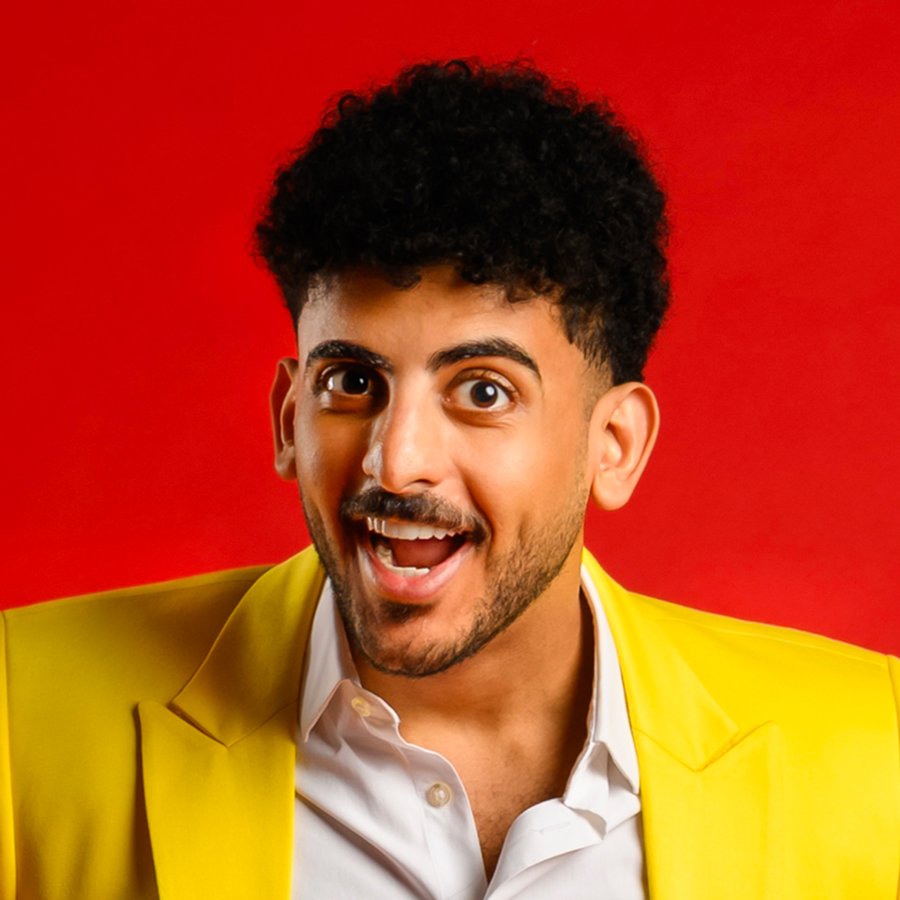
Head Coach and Lead Content Creator
5 min read
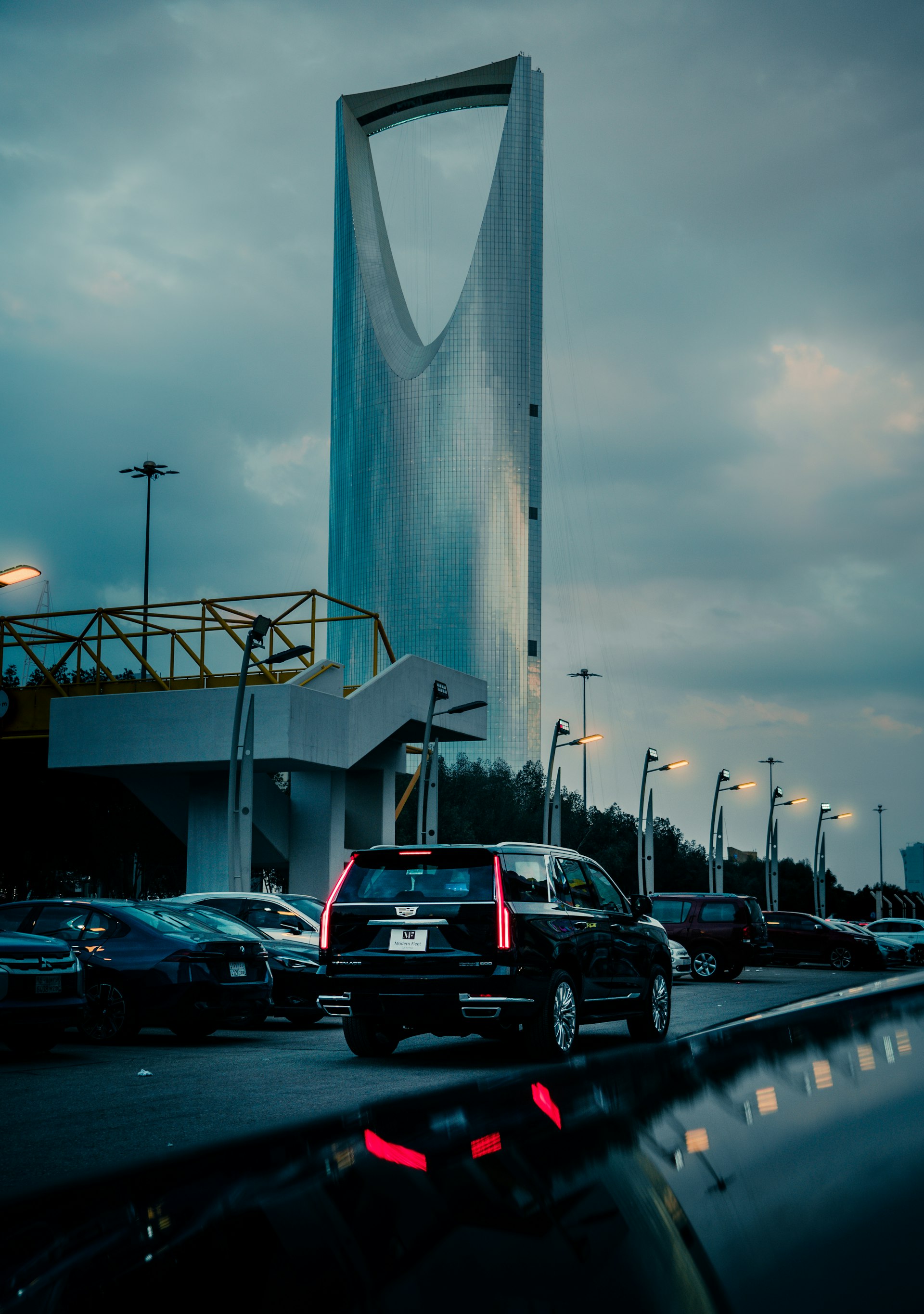
Every second meeting I take starts the same way. Someone leans across the table and asks, can you make this go viral. After 100+ brand campaigns across Saudi and the Gulf, from Burger King to the Ministry of Culture, my honest answer is no.
Nobody can promise that. But I can tell you what viral branded content has in common, because I have watched the same patterns repeat since 2010.
Going viral is not a button. It is a pattern.
Let me get the credentials out of the way so we can talk like adults. I have been making comedy since 2010, I reach 10.2M+ followers and 45.3M+ monthly impressions, and YouTube named me a Top #4 Breakout Creator in MENA.
None of that came from a secret trick. It came from repetition, and repetition is a beautiful teacher. When something works once, it might be luck. When it works across a hundred campaigns for brands as different as Oreo, Philips, vivo, OSN+ and Spacetoon, it is a pattern.
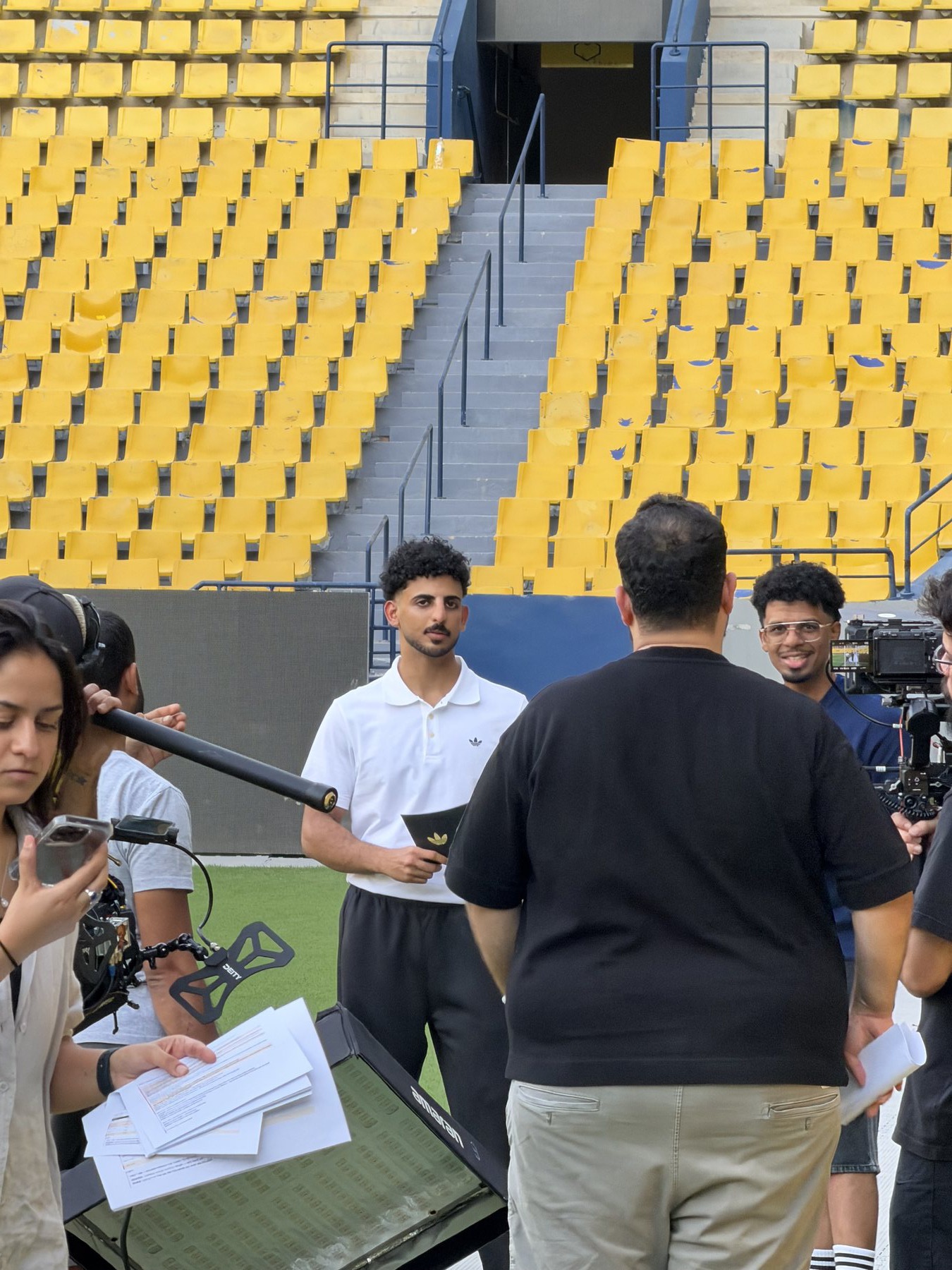
Here are the three patterns I would tattoo on every campaign brief if legal allowed it.
Lesson one: the brief that almost killed the joke
I will not name the brand, mostly because it has been more than one brand. Honestly, at some point it has been most of them.
The pattern goes like this. We land on a concept the whole room loves. Then the brief comes back with additions. Seven mandatory messages. The logo in the first three seconds. A legally approved sentence that must appear, word for word, inside the punchline.
Each request is reasonable on its own. Together, they are a slow strangulation of the joke.
Here is the thing nobody tells brand teams: a joke is a structure, not a decoration. It is tension and release, timed to the frame.
Every mandatory line you add puts weight on the setup, and a setup carrying seven key messages arrives at the punchline exhausted. The audience feels that weight before they can name it, and they scroll.
The campaigns that traveled furthest were the ones where the brand protected the joke like it was their own product. Because for those thirty seconds, it is. I wrote a whole separate post on how to brief a comedy creator so this never happens to you.
Lesson two: the product must be the punchline, not the interruption
There are two ways to put a product inside a comedy video. You can pause the fun, hold the product near your face, say the tagline, and resume the fun. Or you can build the joke so the product is the reason it lands.
The first way is an interruption, and audiences in the Gulf are Olympic-level at skipping interruptions. Most of my audience is Gen Z. They grew up with a skip button under their thumb. They do not hate ads. They hate pauses.
The second way is integration, and it is the entire game. When the product is the punchline, skipping the ad means skipping the comedy, and nobody skips the comedy.
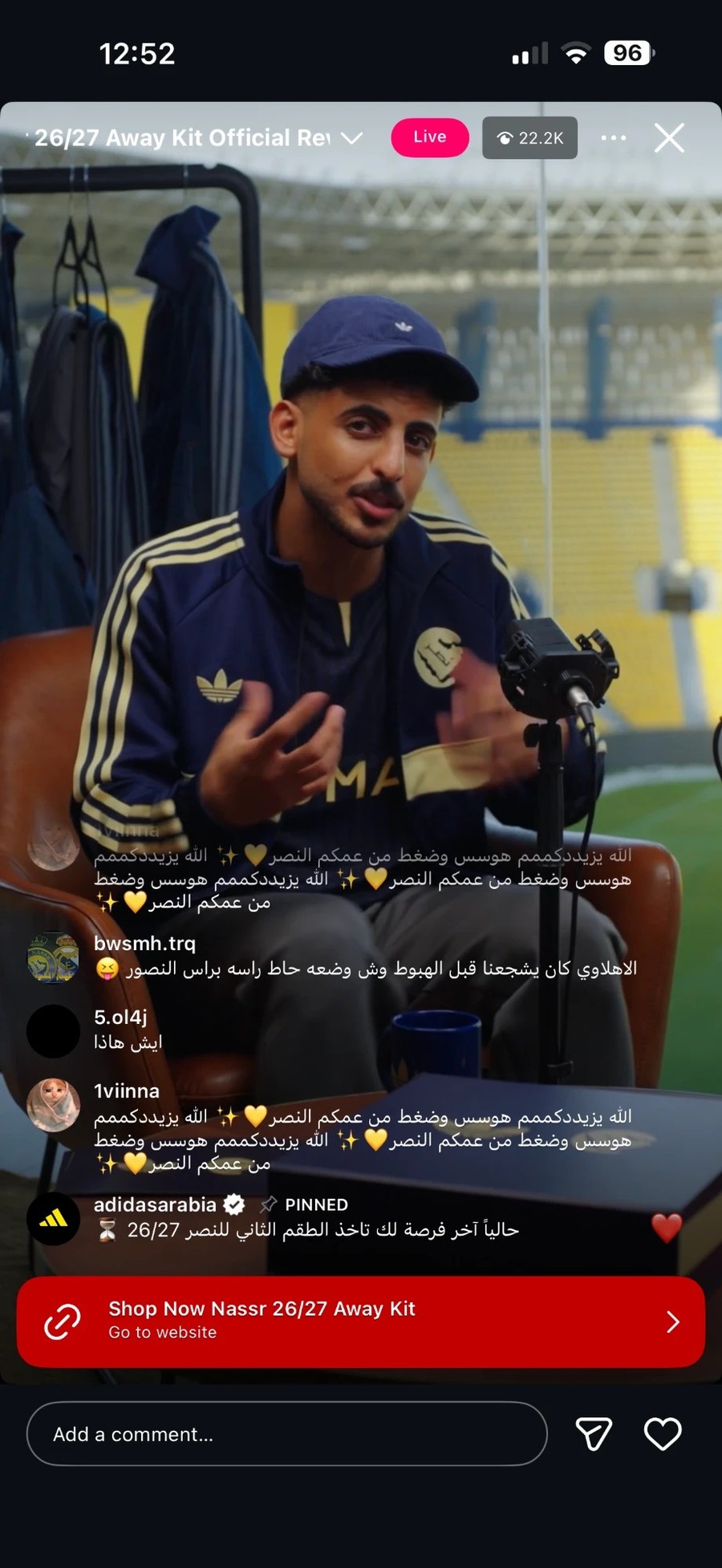
When we went live for adidas around Al Nassr, the brand was not interrupting the moment. The brand was the moment. That is the standard I hold every concept to now: if you can remove the product and the video still works, the product was never really in the video.
This is also the line between branded content people share and branded content people tolerate. I went deeper on that in why most branded content is forgettable.
🎬 Watch: the Oreo milk chocolate drama, take the cookie out and there is no story left
Lesson three: weeks beat quarters
Culture in Saudi moves on a weekly clock. A trend is born on Sunday, peaks on Thursday, and by the next week it belongs to history, somewhere next to fax machines and unskippable ads.
Meanwhile, many campaigns are planned on a quarterly clock, with approval chains that take longer than the trend lived.
I am not against planning. Some of my favorite work took months of proper production. I am saying the approval speed has to match the content speed.
The pattern I have seen again and again: brands that empower one decision maker to say yes within days get work that feels alive. Brands that route every cut through five departments get work that arrives politely late to a party that already ended.
If your campaign depends on cultural timing, build the fast lane before you build the content.
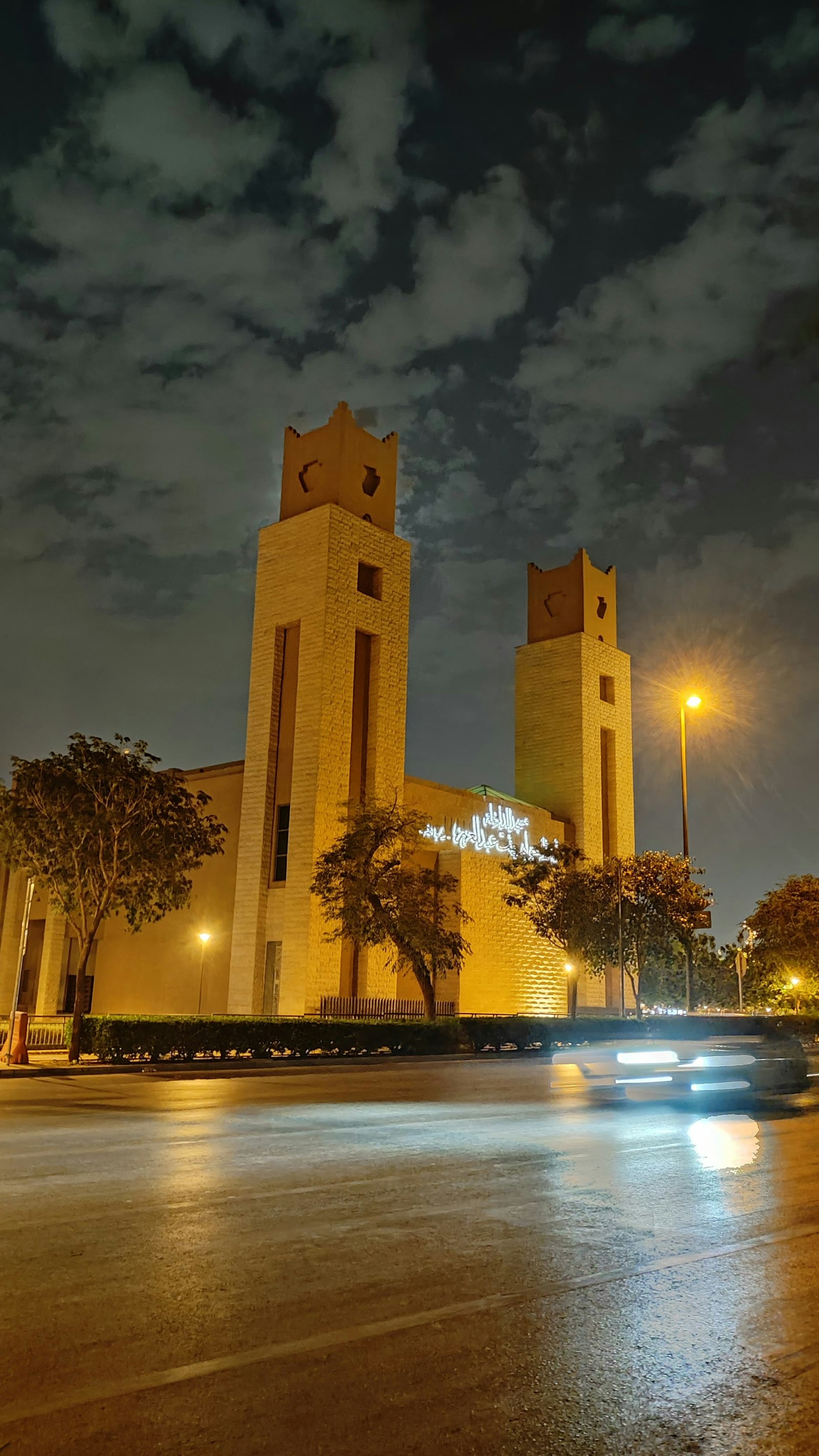
What actually travels in the Gulf
Beyond the big three, here is my short pattern list for viral branded content in this region:
- Local specificity wins. Generic pan-Arab humor travels a little. A joke that could only happen in Riyadh travels everywhere, because specificity is what makes people tag their friends. 43.7% of my audience is in KSA, and they reward you for getting the details right. More on this in why funny sells in Saudi Arabia.
- The first two seconds decide everything. Not the first ten. Two. That deserves its own anatomy lesson, so I gave it one: the anatomy of a hook.
- Shareability is a feeling, not a feature. People share what makes them say, this is so us. Your product can ride that feeling. It cannot fake it.
- Respect is not the enemy of funny. The best Saudi comedy punches at boredom, at awkward situations, at myself. It never needs to punch at the audience.
The boring discipline behind the fun
My whole brand is fighting الطفش, boredom. People assume that means chaos. The truth is the opposite. Killing boredom at scale is a discipline: writing, rewriting, testing hooks, and cutting the joke you love because the audience loves a different one.
I even went and finished a Master in Management at MBSC in 2025, because after 100+ campaigns I learned that the company behind the camera has to be as sharp as the guy in front of it. That whole story is on the about page.
Anyone who promises you viral is selling you a lottery ticket with a logo on it. What I can promise is the pattern.
Protect the joke. Make the product the punchline. Move at the speed of culture. Do those three things consistently and virality stops being a miracle and starts being a habit.
Want the receipts?
The case studies with real numbers live on the work page, and the ways to hire me, as a creator with my own audience or as talent for your production, are on the services page.
If you already have a brief, half a brief, or just a brave idea, send it over. I promise to protect the joke.


Let's Create Something Legendary Together!

.svg)
Saudi comedy creator turning ads into entertainment. 10.2M+ followers and 45.3M+ monthly reach across the Arab world.
mail@Abdoh4Magic.com · Riyadh, Saudi Arabia
Saudi Media License (Mawthooq) No. 726861
© 2026 Abdullah Jamil · The Creative Content Creation Company LLC · Riyadh, Saudi Arabia