Brand Partnerships
Jul 21, 2026
How to Brief a Comedy Creator: Skip the Hostage Video

Head Coach and Lead Content Creator
5 min read

You know the hostage video. A creator you hired for their personality sits in perfect lighting, holds your product at chin height, and recites seven key messages in the exact order the deck listed them. Their mouth says the tagline. Their eyes say help me.
Nobody plans that video. It gets built, line by line, inside a brief. After 100+ brand campaigns since 2010, I can usually predict a hostage video before the camera turns on, just from reading the brief. So here is my honest guide on how to brief a comedy creator, so you get the thing you actually booked: the funny.
Why the hostage video keeps happening
It is not because brand managers are bad at their jobs, and it is not because creators are lazy. It is fear meeting a template. Most briefs I receive were written for a 30 second TV commercial, then forwarded to a Saudi creator with the subject line changed. Seven mandatory messages. Three logo moments. And at the bottom, my favorite sentence in all of marketing: keep it fun.
Keep it fun, after two pages of mandatories, is like telling someone to relax during a job interview. I wrote a whole post about where that road ends, and the short version is nowhere good: most branded content is forgettable because it was briefed to be safe, and safe and invisible are neighbors.
The fix is not a looser brief. That surprises people. The fix is a brief that is locked hard in three places and completely free everywhere else.
Lock these three things when you brief a comedy creator
1. The message, in one sentence
If I ask what the viewer should remember tomorrow and the answer takes a paragraph, we have not started yet. One sentence. In Arabic we ask for الزبدة, literally "the butter," meaning the bottom line. Give me the butter. The camera works in low light. The burger is back for a limited time. One sentence I can build thirty jokes around. Seven sentences I can only read out loud, slowly, like a hostage.
2. The product truth
Tell me exactly what is true and approved. What the product does, who it is for, and which claims are cleared or banned.
This matters more in comedy than anywhere else, because comedy exaggerates everything around the truth but never the truth itself. If your app promises delivery in 30 minutes, I can exaggerate my hunger, my drama, my entire relationship with my fridge. I will not say it arrives in five. The joke bends the world around the product. The product stays factual, always.
3. The red lines
List everything I can never say or show. Competitor names. Sensitive topics. Brand taboos. Regulatory rules for your category.
Red lines do not kill comedy; they draw the field we play on, and defined fields are where the best games happen. I know the cultural lines by instinct after years in KSA. Your brand has lines only you know. Write them down. All of them. On day one, not on the morning of the shoot.
Leave these free
Now the part that takes courage. Everything below belongs to the creator, and the campaign works in direct proportion to how fully you let it go.
- The joke itself. The premise, the twist, the characters. If your brief includes a suggested funny scenario, delete it before sending. Humor written by committee arrives pre-deceased.
- The hook. The first two seconds decide everything on social, and they are engineered, not decorated. That is my job. I broke it down in the anatomy of a hook.
- The tone and dialect. My audience is mostly Gen Z. I know which words feel native to them and which words feel like a press release wearing a thobe.
- How many times the message appears. One message landed inside a joke beats seven messages read at the camera. This is the core of comedy marketing: the laugh opens the door and the message walks through once, confidently.
Lock the message. Free the funny. Everything else in this post is detail.
The safety net: script approval before shooting
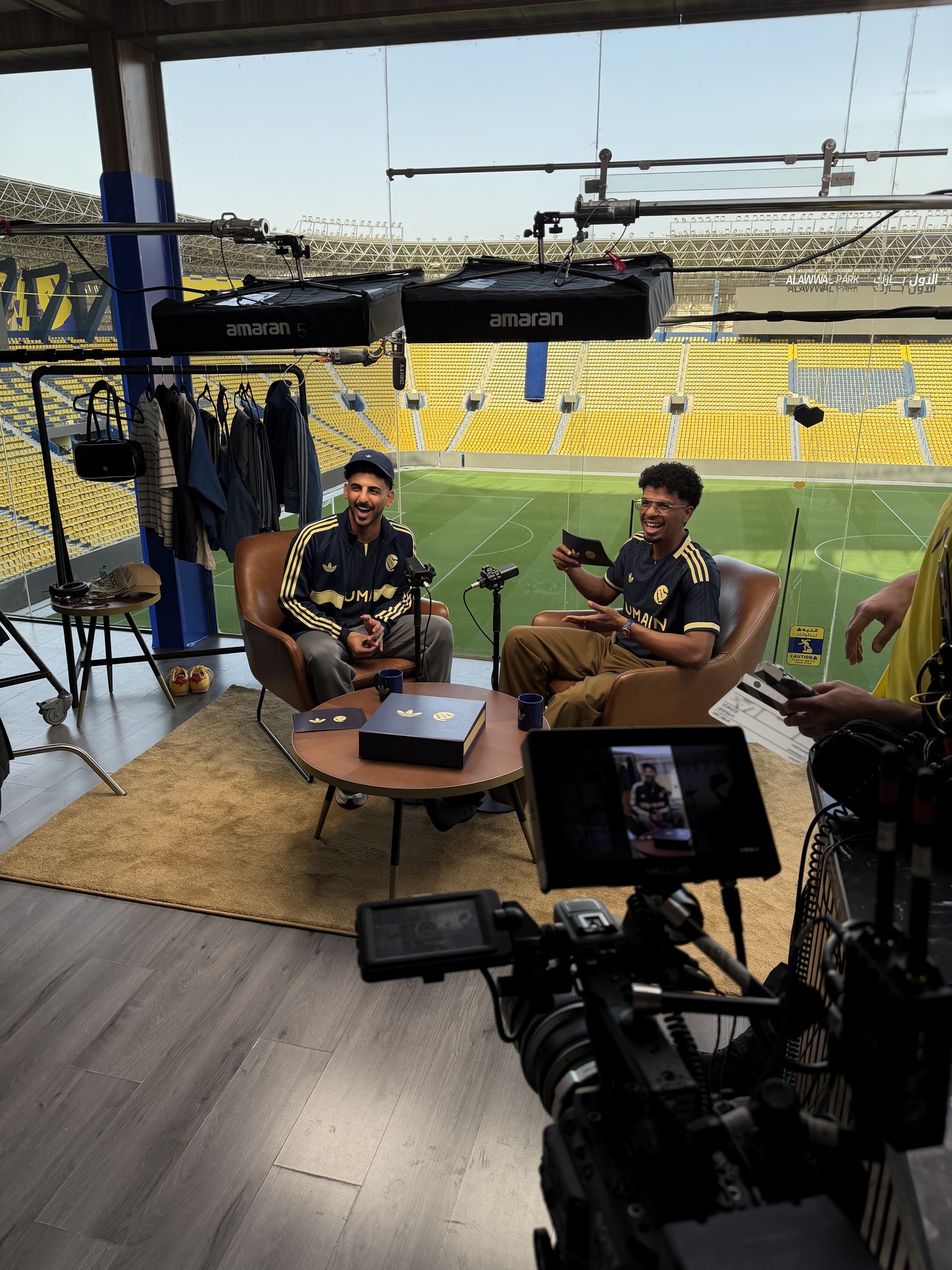
Here is the part that should let every brand manager sleep. Freeing the funny is not a leap of faith, because on every campaign I run, you approve the script before we shoot. Always.
That is a fixed step in how I work: brief in, concept, script to you, then camera. You see the premise, the beats, exactly where your message lands, and what appears on screen.
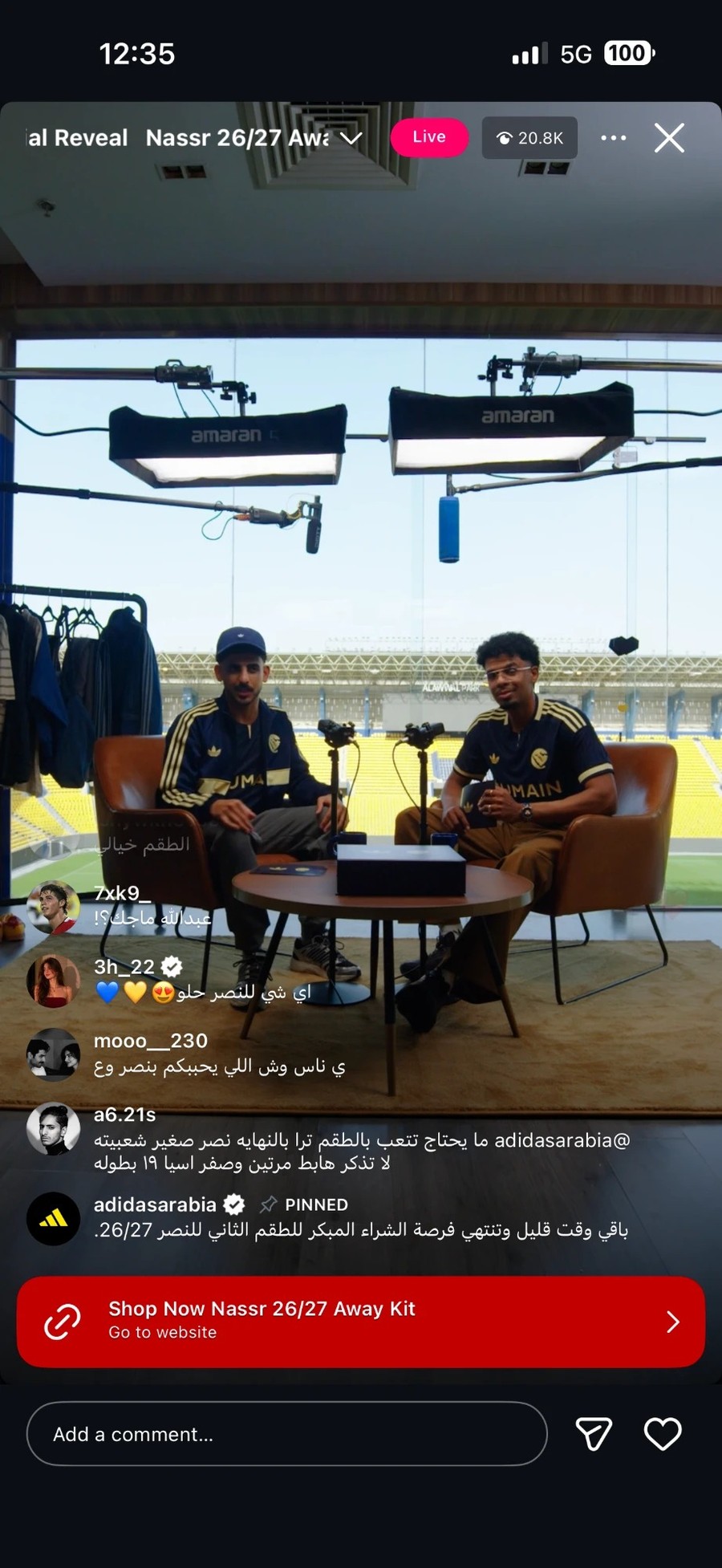
If something crosses a red line, you flag it and we fix it before a single frame exists. My creative director calls the play before the punchline lands; you can meet the whole team behind the chaos here.
One request, though. Use script approval as a checkpoint, not a writers' room. Approve or flag against the brief we locked together. The most dangerous sentence at this stage is "can he also mention," because that is a new mandatory in disguise.
The pattern across 100+ campaigns is boringly consistent: hard locks plus real freedom equals the video the brand team screenshots for their end of year deck. I unpacked that pattern in what 100 brand campaigns taught me about going viral.
The comedy creator brief checklist
Steal this. It fits on one page, and that is on purpose. Fear writes long briefs. Clarity writes short ones.
- The one sentence. The single thing a viewer should remember tomorrow.
- Product truths. Approved claims, banned claims, anything legal cares about.
- Red lines. Topics, words, and visuals that can never appear.
- The business goal. Awareness, installs, footfall, launch buzz. I need to know what winning means to you.
- Audience. Who you want to reach, and an honest look at who the creator actually reaches. Ask for the media kit.
- Deliverables and platforms. How many videos, where they live, who posts them.
- Timeline with an approval round. Build in the script approval before shooting. It protects both of us.
- One decision maker. A single person whose yes means yes. Five approvers produce a video with five personalities and zero jokes.
- What you will not control. Write it in the brief: the humor, the hook, the delivery. Putting it in writing keeps everyone brave later.

The butter, one more time
My whole career is a fight against الطفش, "boredom." It is literally in my name. And a hostage video is just boredom with a media budget: everyone worked hard, everyone approved everything, and nobody remembers it by Thursday.
The creator economy in MENA moves too fast, and Saudi audiences are too sharp, for that to keep working. It is a big part of why funny sells in Saudi Arabia in the first place.
So that is how to brief a creator you hired for comedy. Lock the message, the truth, and the red lines, then hand over the funny and hold me to it at script approval.
If you want to see it in action, the campaigns are on my work page. And if you are ready to write that one pager together, my inbox is open. Bring the butter. I will bring the jokes.




Let's Create Something Legendary Together!

.svg)
Saudi comedy creator turning ads into entertainment. 10.2M+ followers and 45.3M+ monthly reach across the Arab world.
mail@Abdoh4Magic.com · Riyadh, Saudi Arabia
Saudi Media License (Mawthooq) No. 726861
© 2026 Abdullah Jamil · The Creative Content Creation Company LLC · Riyadh, Saudi Arabia