Content Strategy
Jul 6, 2026
Comedy Marketing: Why Funny Sells in Saudi Arabia
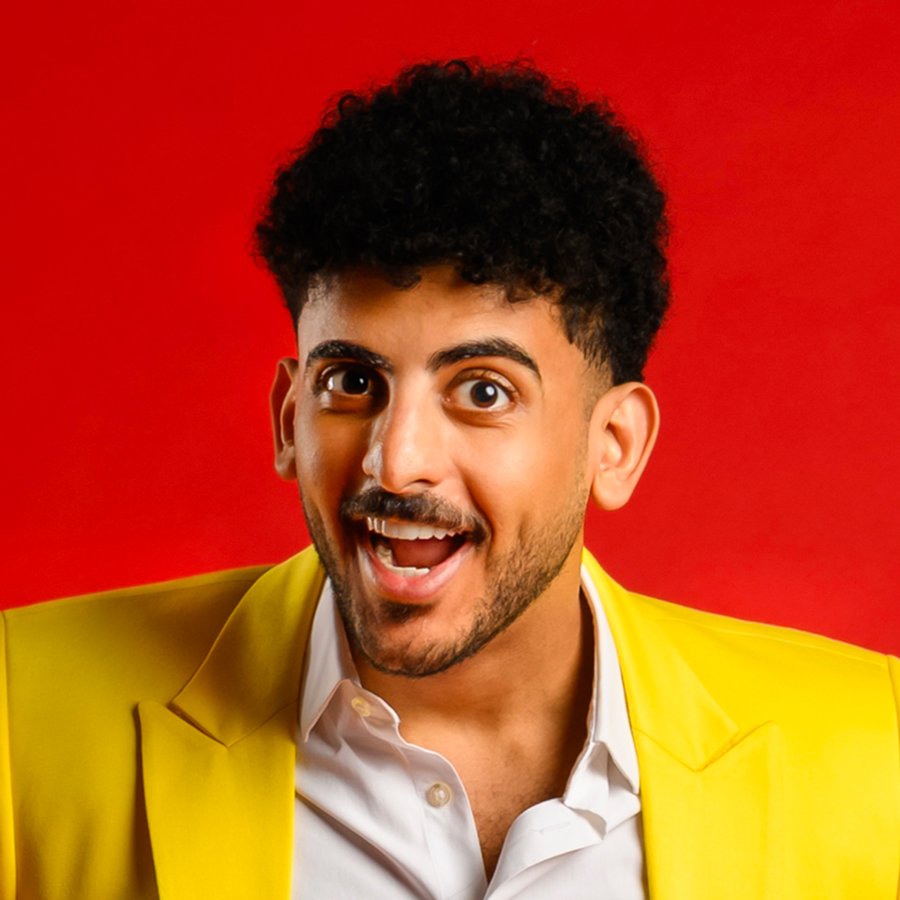
Head Coach and Lead Content Creator
5 min read

Somewhere in Riyadh right now, a marketer is staring at two scripts. One is safe. Clean product shots, brand colors, a calm voiceover about quality and heritage. The other one is funny, and it scares them a little.
I have spent my whole career on the other side of that table, and I am going to save you the meeting: in Saudi Arabia, comedy marketing sells.
I am not saying that as a comedian defending his craft. I am saying it as someone who has been creating since 2010 and built an audience of 10.2 million people.
I have delivered over 100 brand campaigns for names like Burger King, Philips, Oreo, vivo and the Ministry of Culture. My entire job is fighting one enemy, الطفش, boredom, and that is exactly what the safe script feeds.
The cultural truth: Saudis share jokes faster than ads
Here is something no media plan will tell you. In Saudi Arabia, humor is a social currency. A good joke does not stay where it was posted. It jumps.
From a group chat in Dammam to a family WhatsApp in Jeddah to a cousin showing his phone to the whole majlis in Riyadh. By the time your paid campaign finishes its first flight, the joke has already done three laps around the country for free.
Nobody does that with a regular ad. Nobody screenshots a product shot and forwards it to fourteen people with crying-laughing emojis. Sharing an ad feels like free work for a corporation. Sharing a joke feels like a gift to a friend.
Nobody forwards an ad. Everybody forwards a joke. Comedy marketing in Saudi Arabia works because it turns your audience into your media plan.
This is not a theory I read somewhere. I watch it happen in my analytics every month, across 45.3 million monthly impressions. The videos that travel are never the polished ones, they are the ones people want to show someone else first.
Why comedy marketing converts, not just entertains
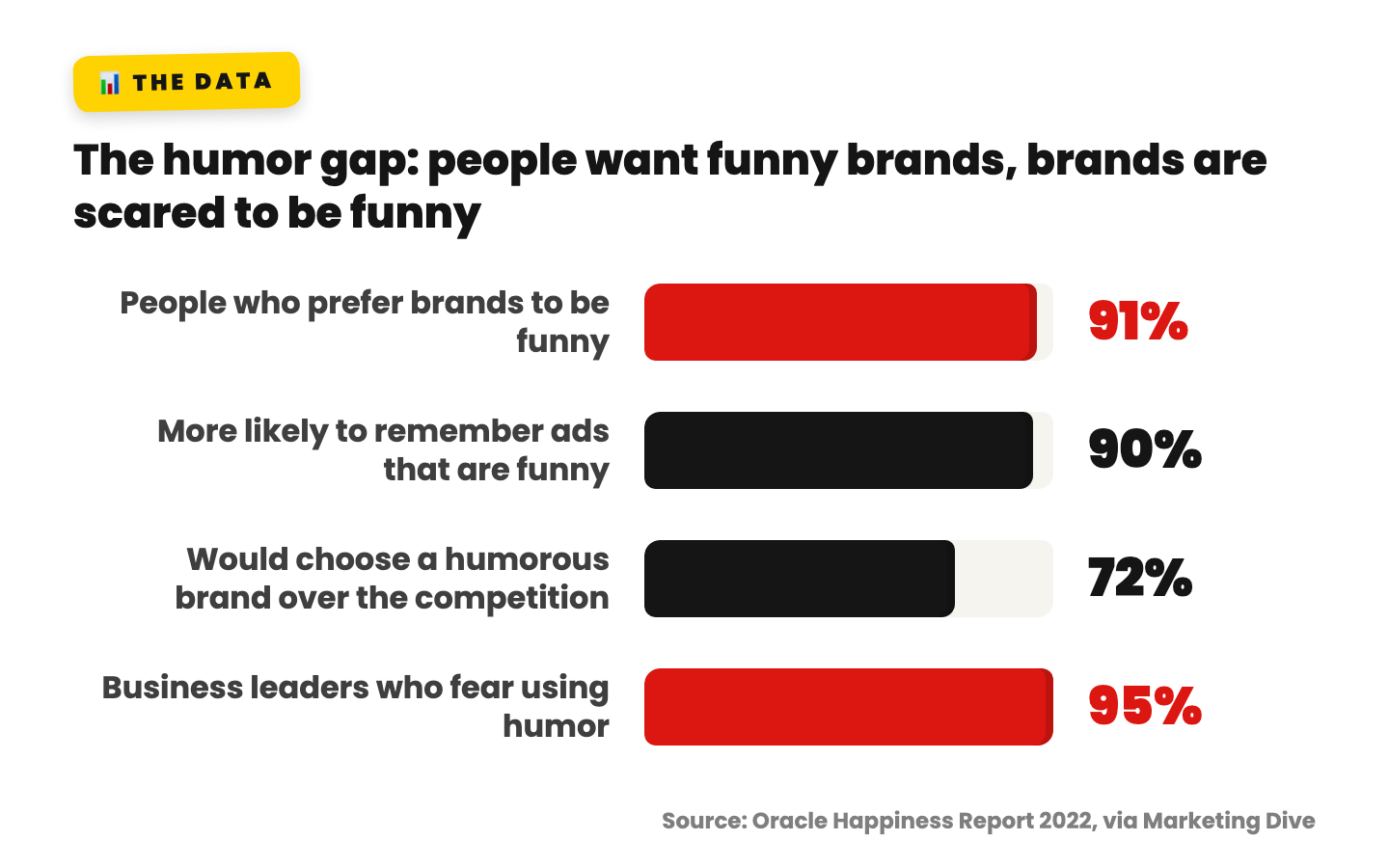
Marketers sometimes treat comedy like decoration. A little sprinkle of fun on top of the real message. That is backwards. In this market, comedy is the delivery system. Here is what it actually does for a brand:
- It wins the first two seconds. On social, you do not get thirty seconds to build a mood. You get a thumb hovering over the screen. A funny setup earns the pause everything else depends on. I wrote a whole post about this in the anatomy of a hook.
- It lowers the guard. Saudi audiences, especially Gen Z, can smell an ad from another city. When someone is laughing, they stop scanning for the sales pitch.
- It buys memory. A punchline is a mnemonic. People forget slogans in a day. They quote a funny line for months, and your product is stitched inside it.
- It earns free distribution. Every share is media you did not pay for, delivered with a personal endorsement no rate card can match.
Two campaign moments that proved it
The Burger King rap battle
When Burger King came to us, the safe version of that brief existed: show the burger, show the crunch, show the logo. Instead we made a rap battle, real bars and real comedy, with the product living inside the performance instead of pasted on top.
That video crossed 9.4 million views, and the full case study with the real numbers sits on my work page.
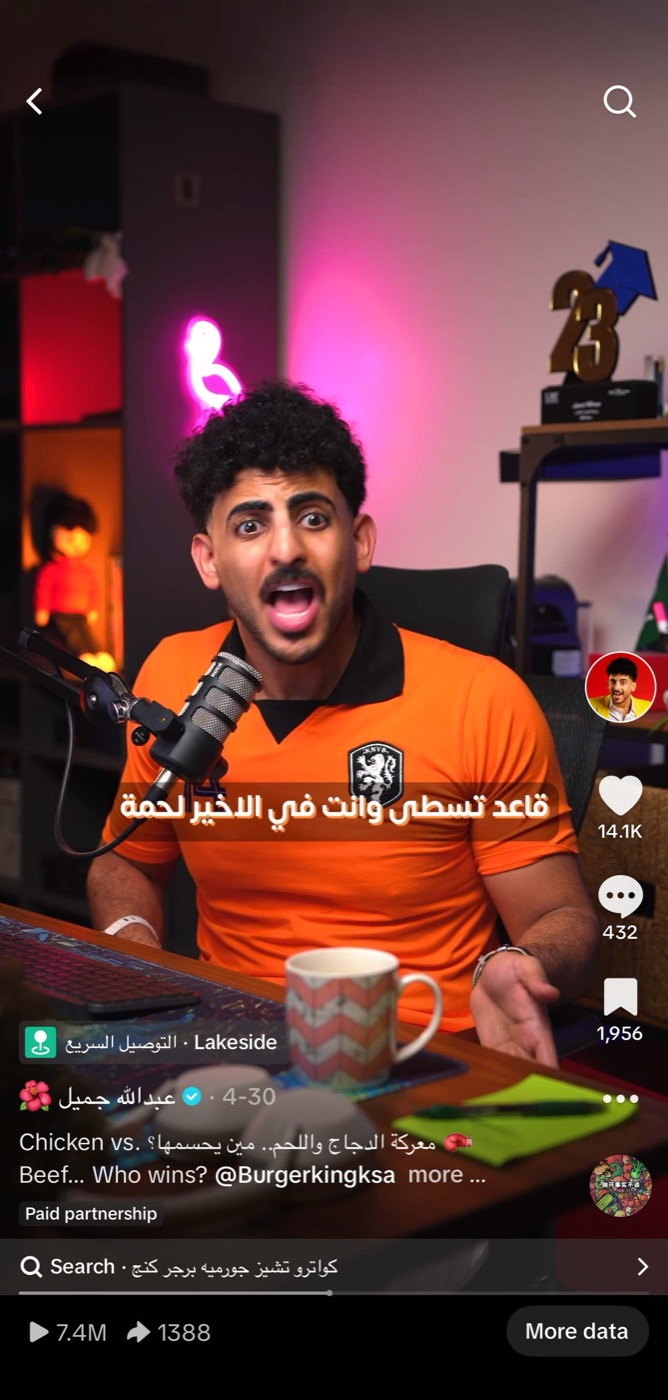
People were not sharing it because it was a good ad. They were sharing it because it was entertainment that happened to be an ad. That order matters more than any targeting setting in your dashboard.
🎬 Watch: the rap battle itself, 9.4 million views and the burger never once feels pasted on top
The Philips caveman glow up
For Philips, the concept was a caveman getting a glow up: before and after, chaos to clean, with the product as the hero of the transformation.
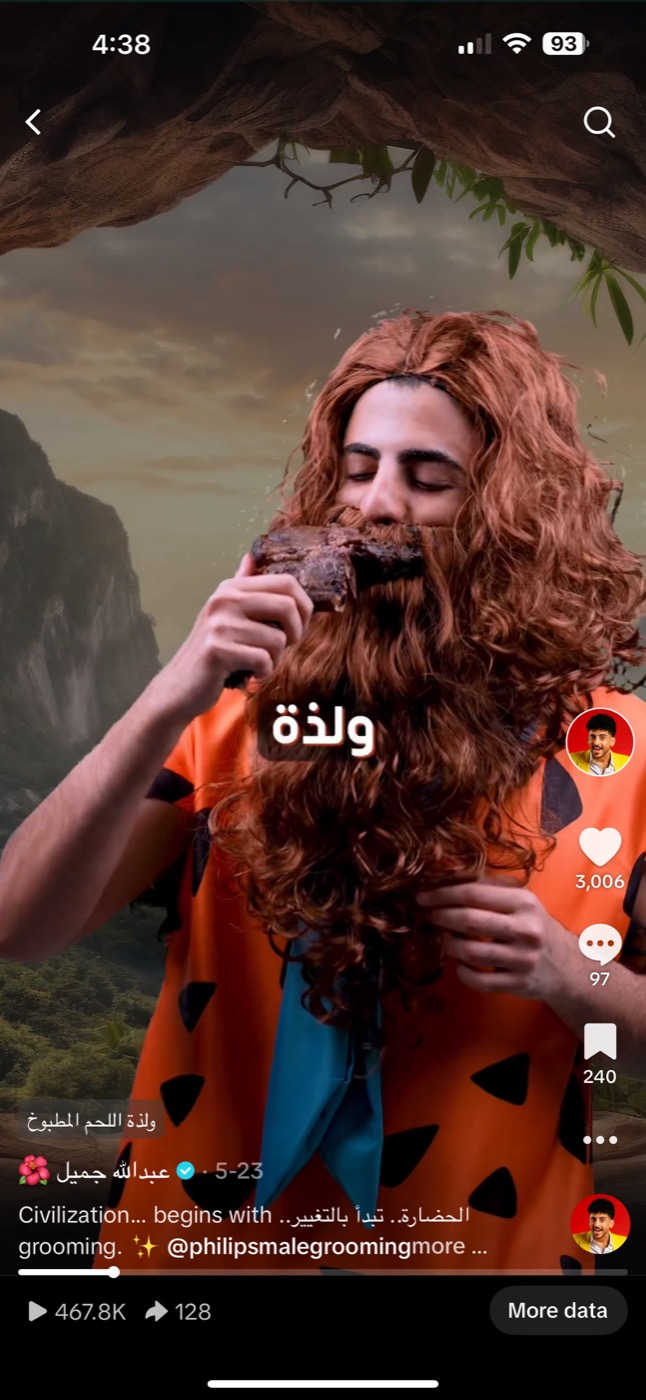
It works because the joke and the product are the same thing. When the punchline is the demo, nobody skips it.
Notice what both campaigns share: the brand let the product be funny instead of asking me to be funny around it. That is the difference between comedy marketing and an ad wearing a funny hat.
🎬 Watch: the caveman glow up, where the joke and the product demo are the same thing
"But is comedy not risky?"
This is the question behind every hesitant email I get, and I understand it. Funny feels like a gamble, safe feels like a guarantee. But look closer: the safe ad guarantees being skipped.
It guarantees blending into the two hundred other polished videos your customer scrolled past today. The safe ad is not low risk, it is a quiet, well-produced way to spend budget on being invisible. I went deeper on this in why most branded content is forgettable.
The real risk in comedy is not the comedy. It is bad execution: humor that punches down, jokes forced onto a product they do not fit, or a brand trying to sound young and landing somewhere painful.
That is why this is a craft. Behind every video that looks effortless there are drafts, rewrites and a discipline I take as seriously as any MBA case study.
I literally finished a Master in Management at MBSC in 2025 while making people laugh for a living. The clown and the strategist are the same person, on purpose.
How to buy funny without losing your brand
If you are the marketer holding those two scripts, here is how to choose the funny one and sleep at night:
- Match the audience, not the follower count. My crowd is 64.3 percent Gen Z, and Saudi Arabia is its beating heart. If that sounds like your customer, we should talk. If not, a smaller creator with the right room beats a bigger one with the wrong room.
- Brief the problem, not the joke. Tell the creator what the product must prove, then let them find where the laugh lives. I wrote a full guide on how to brief a comedy creator.
- Protect the punchline in the approval chain. Every round of comments that sands off the edge of a joke also sands off the reason anyone would share it.
- Measure shares and comments, not just reach. Reach tells you who saw it. Shares tell you who worked for it.
The choice on your desk
Saudi Arabia is one of the youngest, most online, most joke-fluent markets on the planet. YouTube named me a Top #4 Breakout Creator in MENA for its Culture and Trends report, and that did not happen because I played it safe.
It happened because I understood what this audience already knew: here, laughter travels faster than media budgets.
So when you are choosing between the safe script and the funny one, remember what each really costs. One buys impressions. The other buys a place in the group chat.
If you want to see what that looks like for your brand, check out what I offer, browse the campaigns, or just send me the brief. Bring the scary script. That is usually the good one.
Let's Create Something Legendary Together!

.svg)
Saudi comedy creator turning ads into entertainment. 10.2M+ followers and 45.3M+ monthly reach across the Arab world.
mail@Abdoh4Magic.com · Riyadh, Saudi Arabia
Saudi Media License (Mawthooq) No. 726861
© 2026 Abdullah Jamil · The Creative Content Creation Company LLC · Riyadh, Saudi Arabia